Association on American Indian Affairs
Make a difference DONATE TODAY!
MEMBERSHIP
Association on American Indian Affairs
  • About
    • Leadership
    • Internships
    • 100 Years of Service
    • Job Openings and RFPs
    • Contact Us
    • Annual Reports and Financials
  • Our Work
    • Native Youth & Families >
      • Indian Child Welfare Act
      • Native Youth Justice
      • Scholarships >
        • Scholarship FAQ's
      • Youth Summer Camps
    • Protecting Native Culture >
      • Eagle Feather Protection
      • Sacred Places >
        • NHPA Section 106
        • Medicine Wheel
        • DAPL >
          • Association DAPL Amici Brief
        • Protect Oak Flat
        • Sacred Sites at the Border
        • Bears Ears National Monument
      • Repatriation >
        • Auctions and Collections Education
        • Cultural Heritage Laws
        • International Repatriation
        • Harvard: Free Our Ancestors
      • Native Repatriation Resources
    • Learn & Advocate >
      • End Harmful Mascots
      • Violence Against Native Peoples
  • Take Action
    • Support Our Work
    • Hoka Hey
    • Official Merchandise
    • 100 Year Campaign
    • Journal
  • Resources
    • Red Hoop Talk
    • Blog
    • News
    • Native Studies List
    • Researching Your Ancestry
  • Events
    • Calendar
    • Annual Membership Meeting
    • Tribal Museums Day >
      • Tribal Museums Map
    • Repatriation Conference >
      • 12th Annual Repatriation Conference
    • NAGPRA Regional Training

Blog on indian affairs

From Texas to Native Country: Texas v. Kennedy’s Threat to Natives with Disabilities

8/11/2026

0 Comments

 
By Kim Mettler & Karen Wheeldon

Published in Association on American Indian Affairs, Indian Affairs Journal, Volume 198, Spring/Summer 2026 and has been updated since originally published.

In 2024, a group of 17 Republican-led states sued the federal government attacking section 504 of the Rehabilitation Act and its implementing regulations that protect people with disabilities from discrimination. Driven by concerns that the regulations make gender dysphoria a protected disability and the commitment to dismantle the anti-discrimination protections in Section 504, the lawsuit claimed that Section 504 and its regulations were unlawful and unconstitutional. The initial lawsuit changed after actions by the current administration, and now only five states continue their attack against people with disabilities to be protected from discrimination.(1) While the parties in the lawsuit have agreed to a temporary pause in the litigation, it is important that disability justice advocates and allies are aware of the case and the potential negative impacts to Native Peoples with disabilities. This article provides background information regarding disability rights, disabilities in Native Country, a summary of legal protections at stake, and the lawsuit. It also includes what readers can do to be allies at a time when civil rights for people with disabilities are under threat.
Picture

Read More
0 Comments

Native Sacred Places Are Everywhere: Why Recognition and Protection Matter

7/14/2026

0 Comments

 
By Riley Ehlert and Amelie Lock* 
  
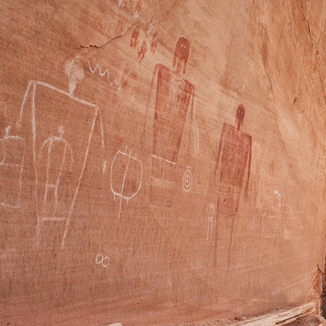
For many Americans, Native sacred places are treated as distant relics of the past — isolated cliff dwellings, famous landmarks, or sites featured in tourism campaigns and history textbooks. This narrow understanding obscures a much deeper truth: Native sacred places exist throughout the United States, including within cities, suburbs, farmland, forests, waterways, and neighborhoods that millions of people move through every day without recognizing what lives under their feet. 


​
Picture

Read More
0 Comments

President Signs Eagle Feather Memo

6/12/2026

0 Comments

 
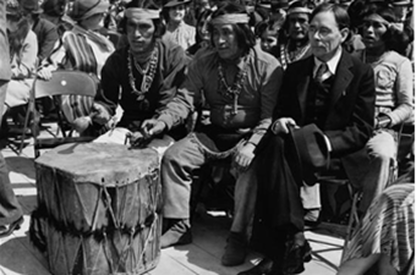
For many Native Peoples, eagle feathers are sacred and carry deep spiritual and ceremonial significance. They are used in prayer, rites of passage, healing ceremonies, and other cultural and religious practices that have existed since time immemorial. 

Federal laws including the Migratory Bird Treaty Act and the Bald and Golden Eagle Protection Act heavily regulate the possession and distribution of eagle feathers. While Native cultural and religious use is protected under federal law, Native practitioners have long faced barriers accessing eagle feathers for ceremonial purposes, including lengthy wait times, restrictive permitting systems, and federal control over the distribution process. 
​

The following article, originally published by the Association in 1994, documents advocacy efforts surrounding a presidential memorandum signed by President Clinton addressing eagle feather distribution for Native religious purposes. While this historical moment marked an important step forward, Native practitioners continue to face ongoing challenges related to religious freedom, access to eagle feathers and sacred cultural items, and the protection of Native ceremonial practices.
Picture
For more information about eagle feather protections, Native religious freedom, and ongoing advocacy efforts related to eagle feather access and cultural rights, visit our Eagle Feather Protection resource page. The page includes additional historical background, legal context, and information about developments that followed the 1994 memorandum, including continued advocacy efforts to protect Native religious and cultural practices. 

This article was originally published in the Fall 1994, Issue 131 of Indian Affairs. Minor edits have been made to correct certain terms. 

Read More
0 Comments

Navigating International Repatriation Requires a Collaborative Approach

4/14/2026

0 Comments

 
​By: Amy Shakespeare, International Repatriation Specialist 
 
Published in Association on American Indian Affairs, Indian Affairs Journal, Volume 195, Fall/Winter 2024


In 2018, French President Emmanuel Macron commissioned a report entitled The Restitution of African Cultural Heritage: Toward a New Relational Ethics,(1) more commonly known as the Sarr-Savoy Report (after the authors). The report called for the unconditional return of African cultural heritage from French institutions. This followed Macron’s speech in Burkina Faso in 2017, where he promised to rebuild France and the African continent’s relationship, including the repatriation of African heritage which he referred to as being held “prisoner” by French museums.(2)
Picture

Read More
0 Comments

Investing in the Next Generations: The Association's Scholarship Legacy

3/16/2026

0 Comments

 
​By: CC Hovie and Kay Kkendasot Mattena

In 1947, Florence Ivy Begay, a citizen of the Navajo Nation, became the first student to receive a scholarship from the Association on American Indian Affairs (the Association). Florence had just graduated high school with straight A’s—one of only three students in her school’s history to do so. She dreamed of becoming a doctor so that she could return home and serve her Nation.
Picture

Read More
0 Comments

A 20-Year Anniversary Reflection on Maria Pearson’s Repatriation and Peace Legacies

2/11/2026

1 Comment

 
This article, “A 20-Year Anniversary Reflection on Maria Pearson’s Repatriation and Peace Legacies” was originally published in issue in the Fall & Winter 2023, Issue 193 of Indian Affairs.  
 
By Lawrence W. Gross, Anishinaabe and a citizen of the White Earth Nation. He holds the rank of Professor and serves as the San Manuel Band of Mission Indians Endowed Chair of Native American Studies at the University of Redlands in Redlands, California. He has written extensively on the Anishinaabe people and culture, including Anishinaabe Ways of Knowing and Being. 

I want to start this article by sharing that this is a deeply personal and significant article for me. I share the story of Maria Pearson with as many of my students as possible each year. Her non-English name is Hai-Mecha Eunka, which means Running Moccasins, and she comes from the Yankton Sioux Tribe in South Dakota. I tell my students Maria’s story in hopes that it will teach them the deep significance of repatriation work. As a result, I was very happy to receive the invitation to submit this article from one of my former students. That meant to me that I helped her legacy live on and inspire my students in their work. As I explain below, I also consider Maria to be one of my three mothers, so sharing these stories is deeply valuable for me as well. 
​

Picture

Read More
1 Comment

The Gwich’in: Caribou People

1/14/2026

0 Comments

 
This article, “The Gwich’in: Caribou People,” was originally published in the Winter & Spring of 2002, Issue 150 of Indian Affairs. Minor edits have been made to correct certain terms. 

In 2002, the Gwich’in Nation was speaking out against oil development in the calving grounds of the Porcupine Caribou Herd within the Arctic National Wildlife Refuge, naming what was at stake for their culture, their food system, and their responsibility to the next generations. 
 
In the nearly quarter-century since its publication, the landscape surrounding the Porcupine River Caribou Herd — and the federal policies that govern its use — have continued to change. In 2025, federal land management policy shifted again toward expanded oil and gas development in Alaska(1). Large portions of the Alaska Coastal Plain were reopened to leasing, and regulatory protections that had previously limited industrial activity in this region were rolled back. Additional decisions approved expanded development across much of the National Petroleum Reserve in Alaska, further increasing pressure on northern ecosystems(2). 
Picture

Read More
0 Comments

Allyship as Responsibility: Dr. David Cummins on Reciprocity and Supporting Native Sovereignty

12/11/2025

0 Comments

 
By Trista Vaughn, citizen of the United Keetoowah Band of Cherokee Indians in Oklahoma and a descendant of the Hualapai and Chickasaw Nations and Communications Associate.

​One of the Association’s newest supporters, Dr. David Cummins, is a psychologist and long-time Idaho resident whose personal journey led him to rethink privilege, accountability, and what it means to stand with Native Nations. His story offers a window into the kind of allyship the Association on American Indian Affairs hopes to inspire: grounded in accountability, shaped by relationships, and committed to strengthening Native sovereignty, self-determination, and healing.

He didn’t set out to “support a cause.” His shift began the moment he recognized that the world rewarded him for things he didn’t earn, and that this privilege came with responsibility. That realization, shaped by years of friendships with Native clinicians, time spent at Standing Rock, and witnessing global inequities firsthand, pushed him toward a different kind of relationship with Native Peoples rooted in listening, recognition, and long-term commitment.
Picture

Read More
0 Comments

Allyship Lessons from Braiding Sweetgrass for Ethical Indigenous Advocacy

11/14/2025

0 Comments

 
By Kailash Muthukumar*

My experience reading Robin Wall Kimmerer's Braiding Sweetgrass: Indigenous Wisdom, Scientific Knowledge, and the Teachings of Plants felt less like reading a book and more like receiving an education in reciprocity. As a high school senior and a non-Indigenous ally deeply involved in policy and advocacy with organizations like the Association on American Indian Affairs (the Association) and the Institute for American Indian Studies (IAIS), this book did not just introduce me to Indigenous knowledge systems, it provided the essential ethical framework needed to approach federal Indian law, Native Nation sovereignty, and intergenerational  justice with the required humility. 
Picture

Read More
0 Comments

Respect Ancestors, Respect Nations: Halloween Without Harm

10/15/2025

0 Comments

 
By: CC Hovie 
 
Every October, Halloween decorations line the shelves, costumes fill the racks, and horror movies flood our screens. But for Native Peoples, this season is another reminder of how our cultures—and even our Ancestors—are too often turned into backdrops for entertainment.  
 
From “Indian costumes” that reduce diverse Native Peoples to stereotypes, to haunted house attractions that use burial sites as props, this pattern is not harmless fun. It is dehumanization. It is appropriation. And it continues to cause real harm. ​
Picture

Read More
0 Comments
<<Previous

    Archives

    August 2026
    July 2026
    June 2026
    April 2026
    March 2026
    February 2026
    January 2026
    December 2025
    November 2025
    October 2025
    August 2025
    July 2025
    June 2025
    May 2025
    April 2025
    March 2025
    February 2025
    January 2025
    January 2024
    December 2023
    November 2023
    October 2023
    September 2023

    Categories

    All
    AIRFA
    Alaska
    ARPA
    Board Members
    Ceremony
    Congress
    Cultural Appropriation
    Disability
    Land
    Newsletter
    Religion
    Repatriation
    Sacred Sites

    RSS Feed

About Us
Contact
Our Work​​
Scholarships
Careers
News
Picture
Picture
Picture
Picture
Picture
Picture
Picture

Association on American Indian Affairs
6030 Daybreak Circle, Suite A150-217
Clarksville, Maryland 21029​
Subscribe to our e-newsletter!
​The Association is a not-for-profit 501(c)(3) publicly supported organization.
​We do not take federal grants.
​Support our work here.
​FEIN: 13-1623902
Picture
Picture

Privacy Policy
Site powered by Website Heroes